Last updated: July 20, 2026
History
Rose quartz has been treasured for millennia, with archaeological evidence of its use in jewelry and carved objects dating back to ancient Mesopotamia and Egypt around 7000 BCE. Egyptian lore held that rose quartz could prevent aging, and face masks made from the crystal have been found in ancient tombs. The Romans and Greeks used rose quartz as a symbol of love, often carving it into seals depicting Cupid.
In Tibetan Buddhist tradition, rose quartz was considered a stone of the heart, used in healing practices for centuries. Its long association with love and beauty has carried through into contemporary spiritual and wellness practices, where it remains one of the most recognized crystals in the world.
Meaning
Rose quartz is traditionally associated with unconditional love — for others, and importantly, for oneself. Many practitioners believe it encourages compassion, emotional healing, and gentle forgiveness. It’s often recommended as a companion stone during periods of heartbreak, grief, or emotional overwhelm, not as a cure, but as a quiet reminder to be tender with yourself.
Traditional Symbolism
Across cultures, the soft pink hue of rose quartz has come to symbolize the heart and its capacity for love in all its forms — romantic, platonic, and familial. It’s commonly linked to the Venus archetype, and many practitioners place it in the southwest corner of a room when practicing feng shui to invite love and harmony into a space.
Geological Information
| Mineral Group | Quartz (Silicon Dioxide) |
| Hardness | 7 (Mohs Scale) |
| Crystal System | Trigonal |
| Primary Sources | Brazil, Madagascar, South Africa, India |
| Color Cause | Trace amounts of titanium, iron, or manganese |
Colors
Rose quartz ranges from a very pale, milky pink to a deeper rose hue. Star rose quartz, a rarer form, displays a six-rayed light pattern (asterism) when cut into a cabochon.
Associated Chakras
Rose quartz is most commonly associated with the Heart Chakra (Anahata), the energy center traditionally linked to love, compassion, and emotional balance. Many practitioners place rose quartz over the chest during meditation to support heart-centered practice.
Associated Zodiac Signs
Rose quartz is traditionally connected to Taurus and Libra, two signs ruled by Venus, the planet of love and beauty. Taureans are said to benefit from its grounding, heart-opening qualities, while Libras are drawn to its association with harmony and balance in relationships.
Meditation Uses
A common practice is to hold a rose quartz palm stone during meditation, resting it over the heart center while focusing on a mantra of self-compassion. Others place a piece on a nightstand or altar as a quiet, ongoing reminder to approach the day — and themselves — with more gentleness.
Frequently Asked Questions
Is rose quartz safe to put in water?
Rose quartz is generally water-safe for brief periods, but prolonged soaking is not recommended, as it can be affected by extended moisture exposure. Always check the specific specimen before submerging it.
How do I cleanse rose quartz?
Many practitioners cleanse rose quartz with moonlight, sound, or smoke rather than water. A full crystal care guide is coming soon to walk through stone-by-stone instructions.
Where should I keep rose quartz at home?
Common suggestions include the bedroom, for emotional rest, or a shared living space, to encourage harmony among housemates or family.
See also: Rose Quartz vs. Amethyst →
Recommended Products
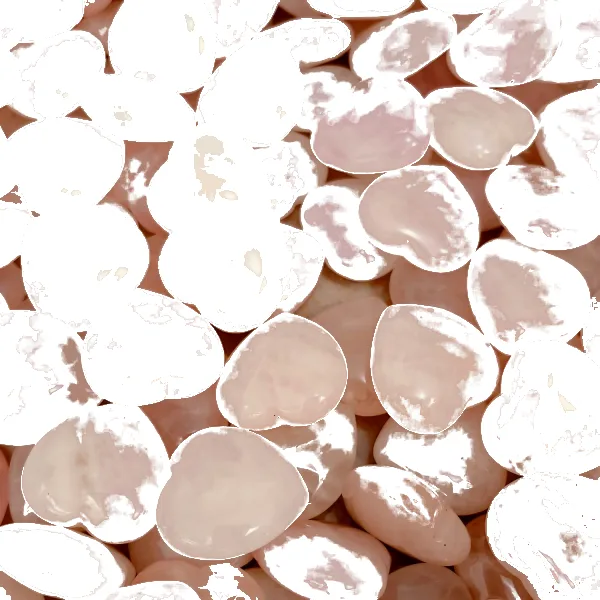
Rose Quartz Palm Stone
A smooth, hand-sized stone for meditation and everyday carry — our top pick for beginners.
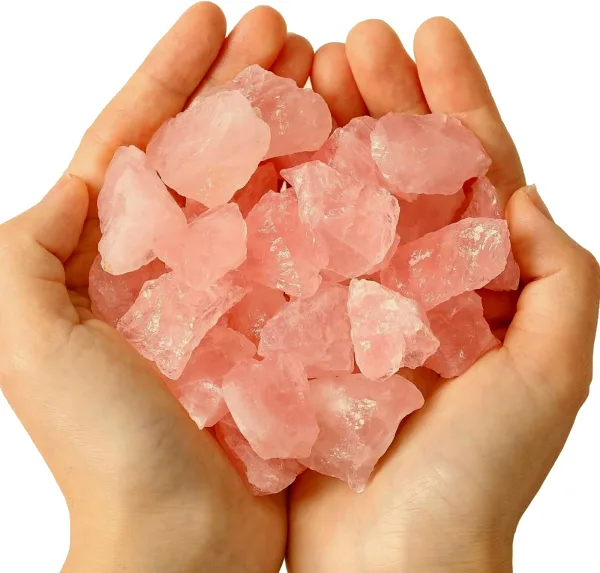
Raw Rose Quartz Cluster
A natural, uncut piece well suited to a nightstand, altar, or shelf display.
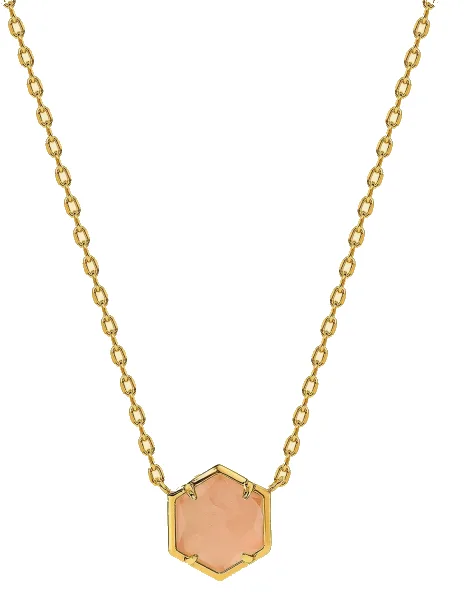
Rose Quartz Pendant Necklace
For those who prefer to carry their intention with them throughout the day.
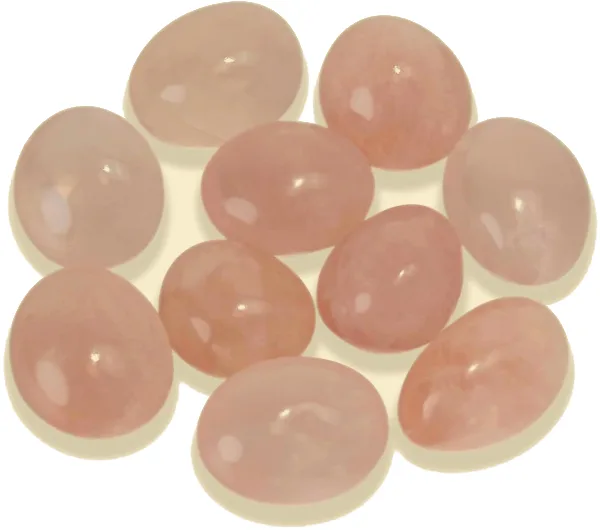
Rose Quartz Tumbled Stones (Set)
A small collection of polished stones, ideal for gifting or grid work.
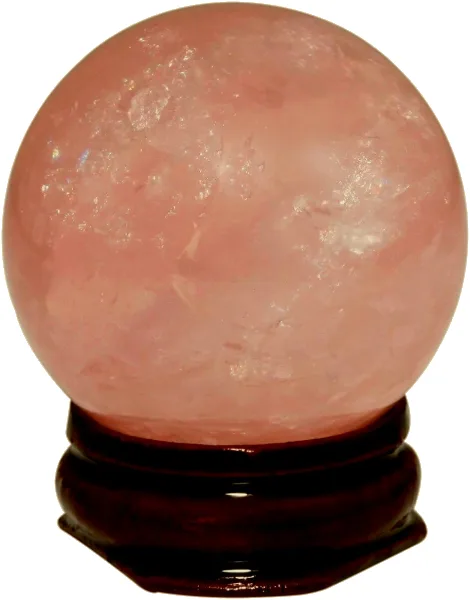
Rose Quartz Sphere
A larger polished sphere, well suited as a centerpiece for a meditation altar.