Last updated: July 20, 2026
History
Citrine gets its name from the French word for lemon, “citron,” a nod to its warm yellow-to-amber color. Natural citrine is relatively rare; much of the citrine sold commercially is actually heat-treated amethyst, which turns a similar golden hue when exposed to high temperatures.
Meaning
Citrine is commonly linked to abundance, joy, and personal confidence. Unlike many crystals, it’s traditionally believed to need little cleansing, sometimes nicknamed the “merchant’s stone” for its association with prosperity in business.
Geological Information
| Mineral Group | Quartz (Silicon Dioxide) |
| Hardness | 7 (Mohs Scale) |
| Crystal System | Trigonal |
| Primary Sources | Brazil, Bolivia, Madagascar, Zambia |
| Color Cause | Trace iron, natural or heat-induced |
Associated Chakras
Citrine is most commonly associated with the Solar Plexus Chakra, traditionally linked to confidence, willpower, and personal identity.
Associated Zodiac Signs
Traditionally connected to Gemini, Aries, and Leo, citrine is said to complement their energetic, expressive natures.
Meditation Uses
Many practitioners hold citrine at the solar plexus during meditation, or keep a piece on a desk or cash drawer as a symbolic prosperity anchor.
Frequently Asked Questions
Is my citrine natural or heat-treated?
Most affordable citrine on the market is heat-treated amethyst or smoky quartz. Natural citrine tends to be paler and considerably more expensive.
See also: Citrine vs. Green Aventurine →
Recommended Products
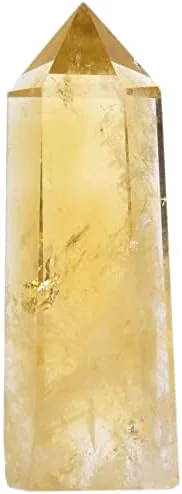
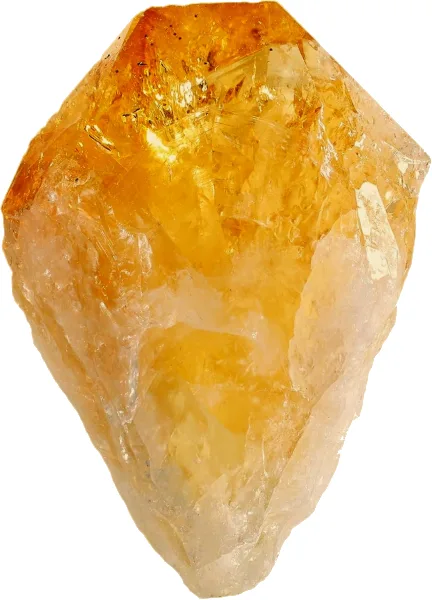
Citrine Cluster
A natural cluster, well suited to a prosperity corner of the home.
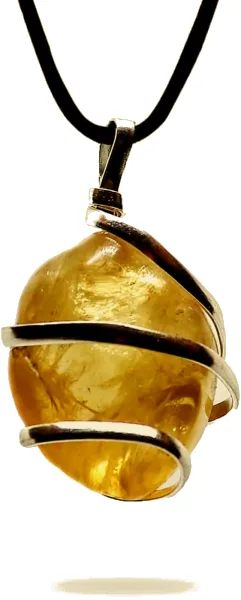
Citrine Pendant Necklace
For carrying confidence and abundance throughout the day.
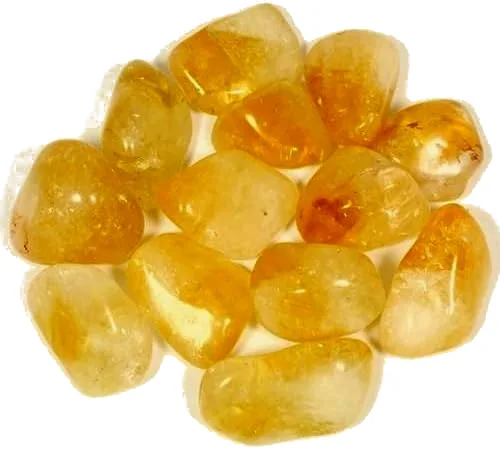
Citrine Tumbled Stones (Set)
Small polished stones, easy to keep in a wallet or cash drawer.
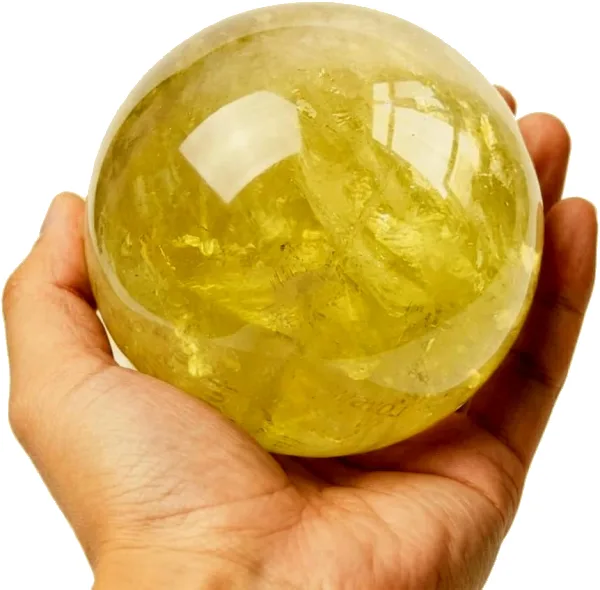
Citrine Sphere
A polished sphere, a bright centerpiece for a desk or altar.