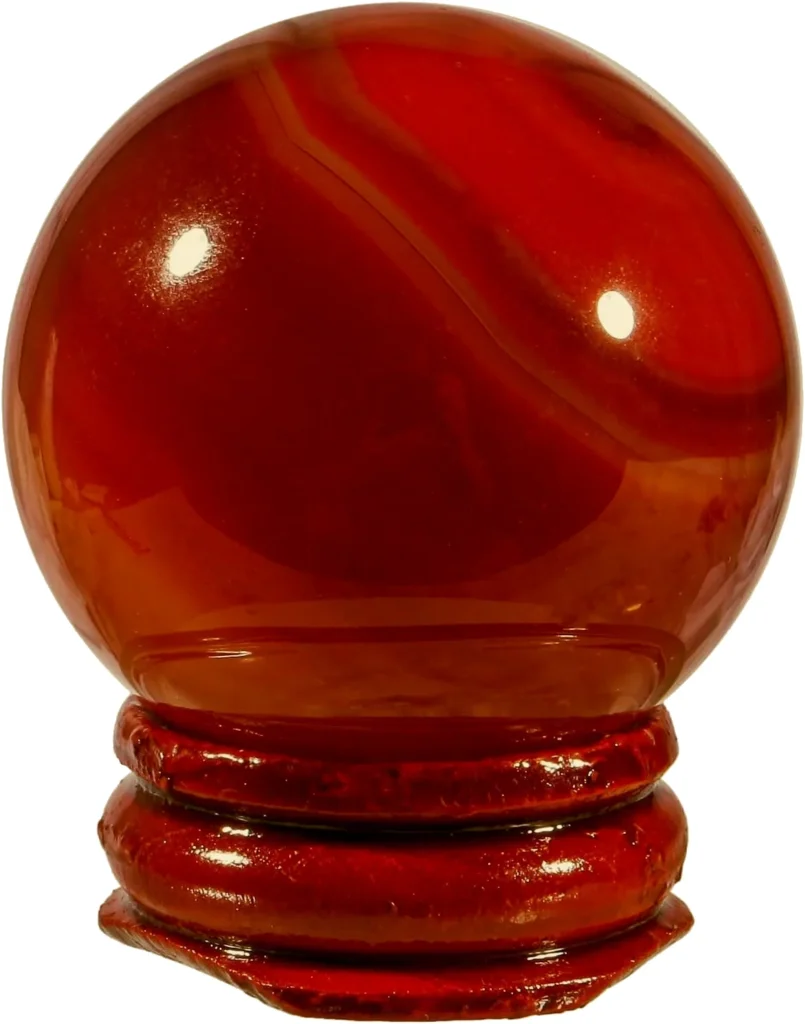
Last updated: July 20, 2026
History
Carnelian has been used in jewelry and seals since antiquity, prized by the Egyptians, Greeks, and Romans for its warm, fire-like color. Egyptian craftsmen used it in amulets, and Roman signet rings were often carved from carnelian because hot wax was said not to stick to it.
Meaning
Carnelian is traditionally associated with creative energy, courage, and vitality. Many practitioners keep a piece nearby during creative work, believing it supports motivation and a willingness to take action.
Geological Information
| Mineral Group | Chalcedony (Silicon Dioxide) |
| Hardness | 6.5 to 7 (Mohs Scale) |
| Crystal System | Trigonal |
| Primary Sources | India, Brazil, Uruguay |
| Color Cause | Iron oxide impurities |
Associated Chakras
Carnelian is most commonly linked to the Sacral Chakra, the energy center traditionally associated with creativity and emotional flow.
Associated Zodiac Signs
Traditionally connected to Aries and Leo, both fire signs said to share carnelian’s energetic, motivated quality.
Meditation Uses
Many practitioners hold carnelian at the lower belly during meditation, or keep a piece on a creative workspace as a steady source of motivation.
Frequently Asked Questions
Is carnelian the same as red jasper?
No — carnelian is translucent chalcedony, while red jasper is opaque. They are often confused but have a different mineral structure.
See also: Tiger Eye vs. Carnelian →
Recommended Products
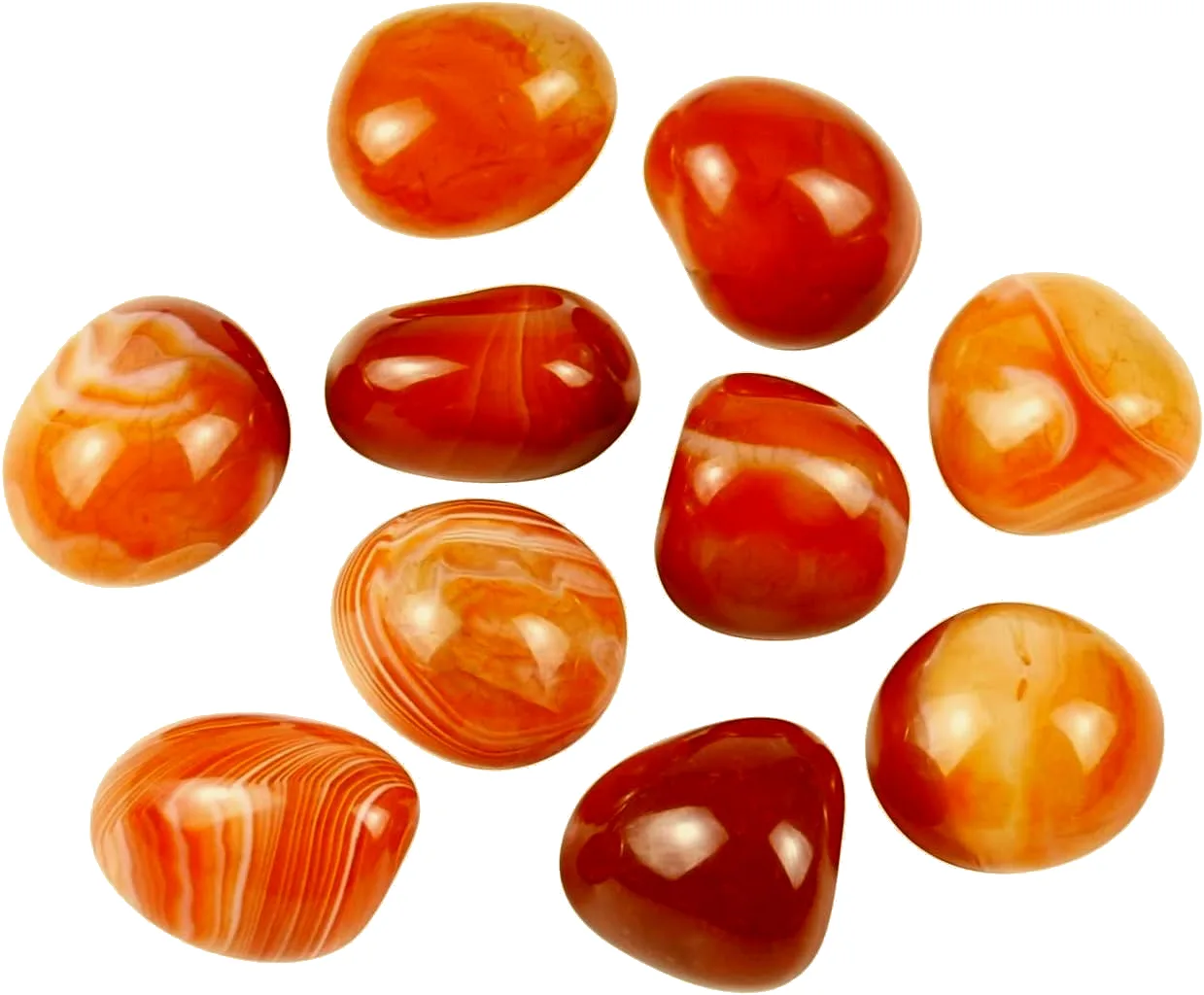
Carnelian Tumbled Stones
Smooth, pocket-sized stones ideal for carrying or a creative desk.
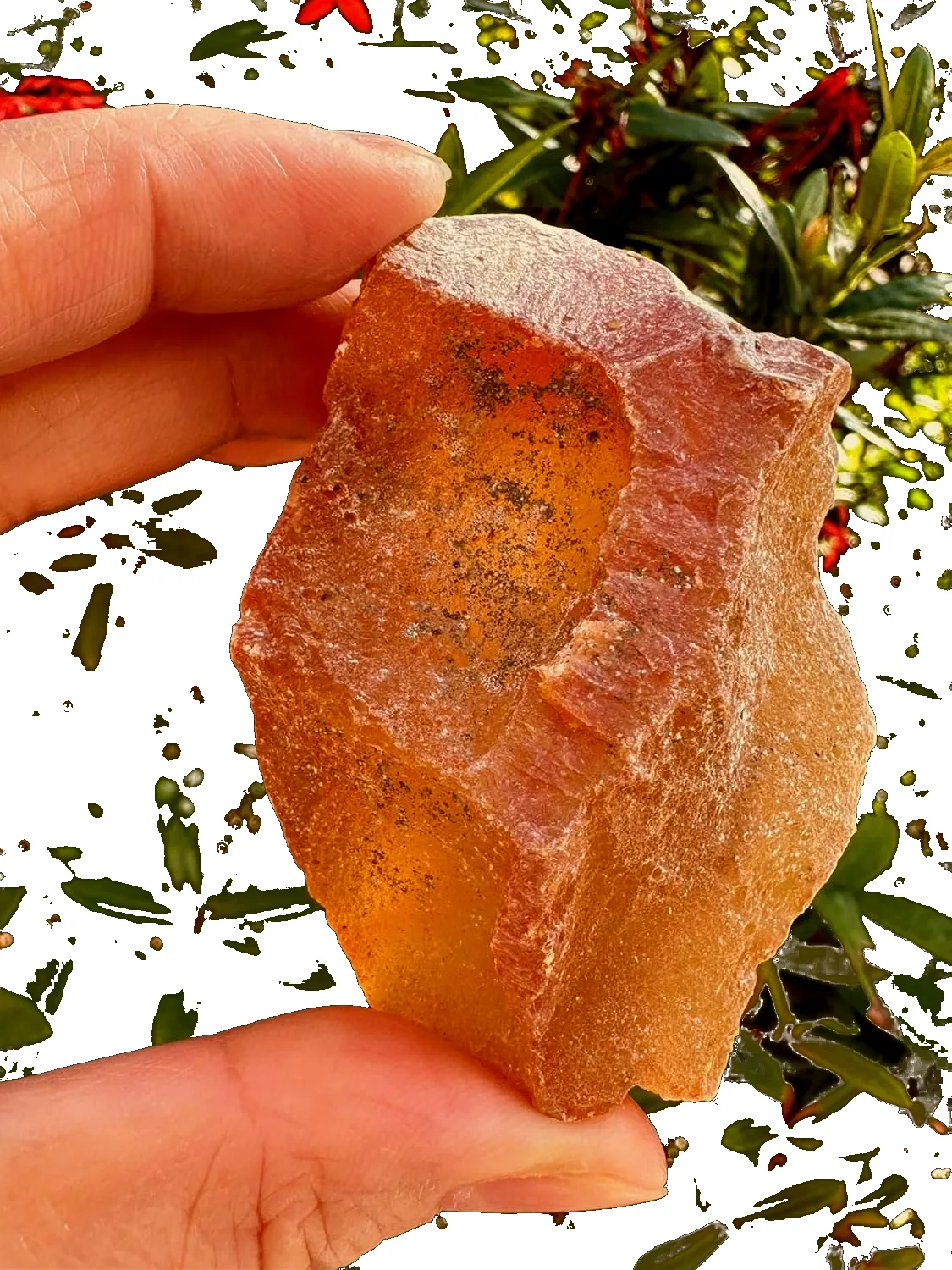
Raw Carnelian Cluster
A natural piece well suited to a creative workspace.
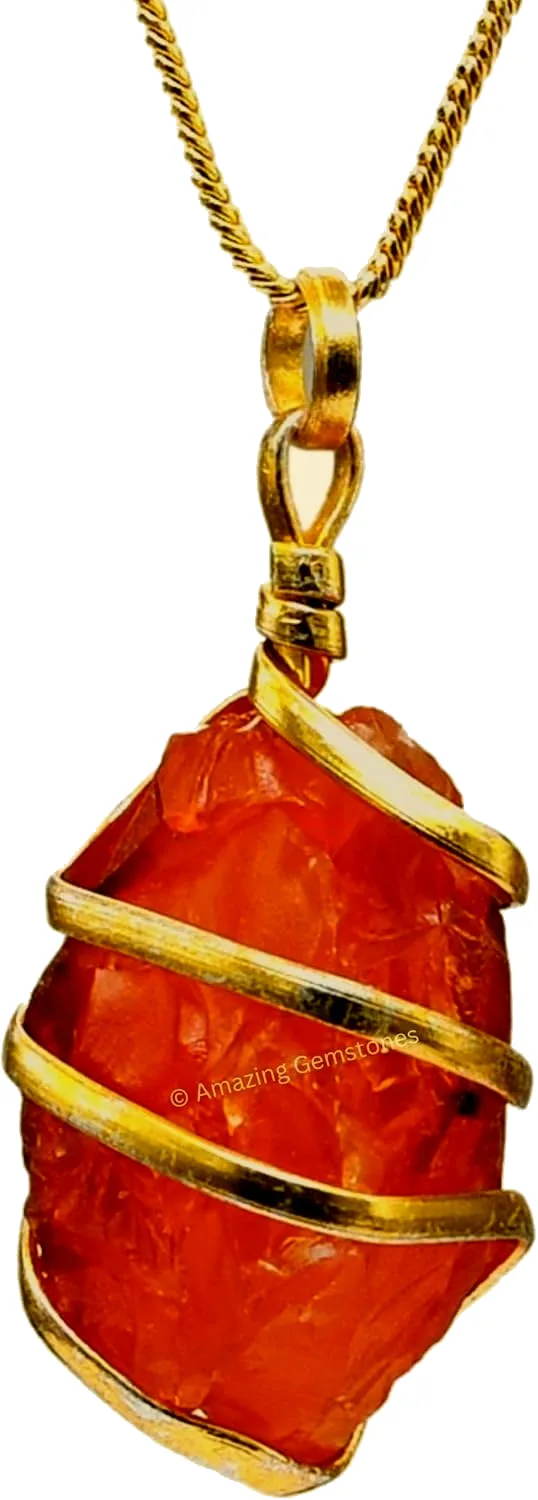
Carnelian Pendant Necklace
For carrying creative motivation throughout the day.