Last updated: July 20, 2026
History
Garnet takes its name from the Latin word for pomegranate, for the resemblance of its deep red crystals to pomegranate seeds. It has been used in jewelry since the Bronze Age and was a favored stone among Roman signet ring carvers.
Meaning
Garnet is traditionally associated with perseverance, steady energy, and long-term commitment. Many practitioners keep it nearby during sustained effort toward a distant goal.
Geological Information
| Mineral Group | Silicate (Nesosilicate) |
| Hardness | 6.5 to 7.5 (Mohs Scale) |
| Crystal System | Isometric |
| Primary Sources | India, Africa, United States |
| Color Cause | Iron and manganese content |
Associated Chakras
Garnet is most commonly linked to the Root Chakra, the seat of stability and sustained effort.
Associated Zodiac Signs
Traditionally connected to Capricorn, sharing garnet’s association with discipline and endurance.
Meditation Uses
Many practitioners keep garnet on a desk during a long-term project, using it as a quiet symbol of patient, steady effort.
Frequently Asked Questions
Is garnet always red?
No, garnet occurs in a range of colors including green and orange, though deep red is the most commonly recognized form.
See also: Garnet vs. Aquamarine →
Recommended Products
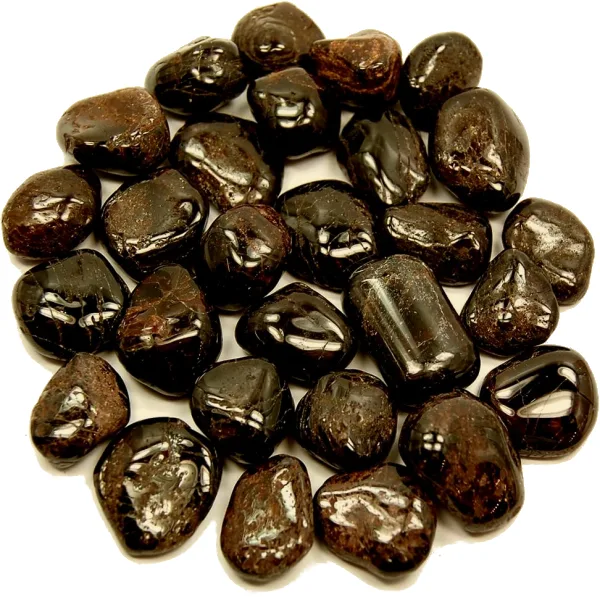
Garnet Tumbled Stones
Deep red stones suited to a desk during long-term projects.
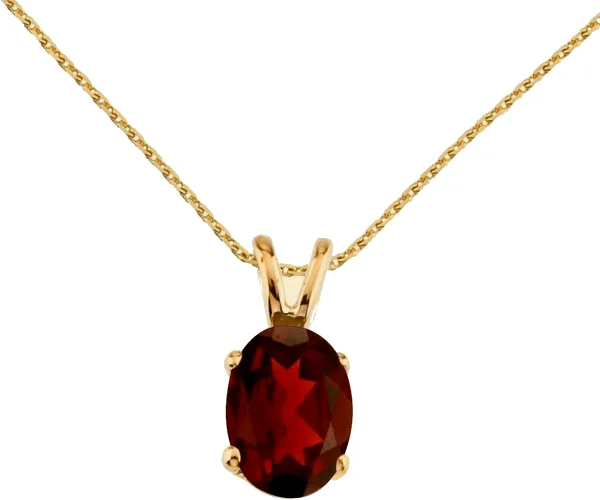
Garnet Pendant Necklace
For carrying steady perseverance throughout the day.
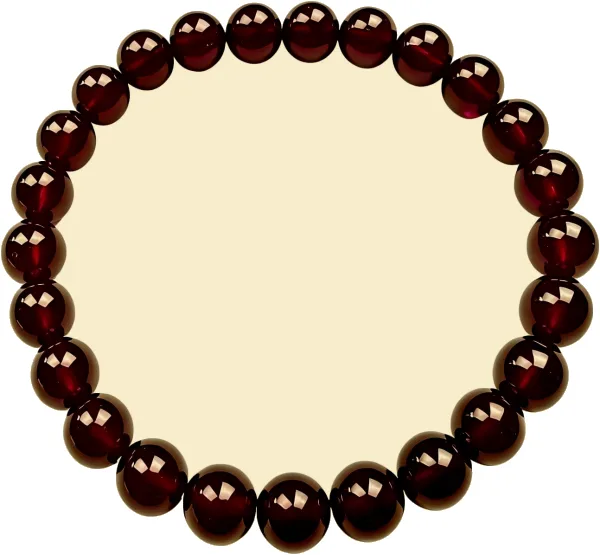
Garnet Bracelet
A wearable piece traditionally linked to endurance and commitment.
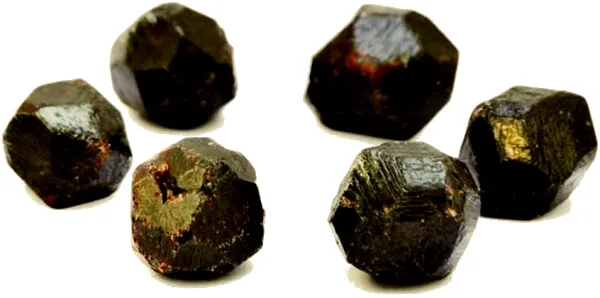
Raw Garnet Cluster
A natural piece showcasing garnet’s deep red crystalline structure.