Last updated: July 20, 2026
History
Labradorite was first documented in Labrador, Canada, in the late 18th century, though Inuit legend describes its shimmer as trapped Northern Lights. Its distinctive flash of color has made it a favorite among collectors since its discovery.
Meaning
Labradorite is traditionally associated with intuition, transformation, and inner insight. Many practitioners use it to support periods of change or deepened self-awareness.
Geological Information
| Mineral Group | Feldspar (Plagioclase) |
| Hardness | 6 to 6.5 (Mohs Scale) |
| Crystal System | Triclinic |
| Primary Sources | Canada, Madagascar, Finland |
| Color Cause | Light interference between feldspar layers (labradorescence) |
Associated Chakras
Labradorite is most commonly linked to the Third Eye Chakra, the seat of intuition and inner vision.
Meditation Uses
Many practitioners hold labradorite at the forehead during meditation, particularly during periods of significant personal change.
Frequently Asked Questions
What causes labradorite’s flash of color?
The effect, called labradorescence, comes from light interference between thin layers within the stone, similar to the effect seen in moonstone.
See also: Moonstone vs. Labradorite →
Recommended Products
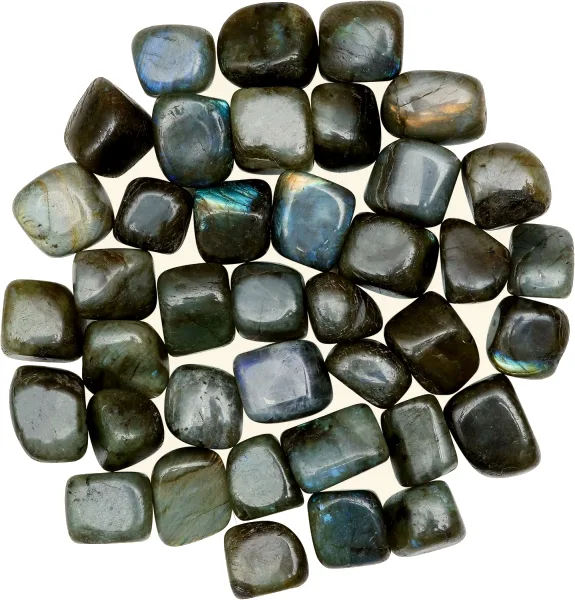
Labradorite Palm Stone
A polished stone that reveals its color flash when angled in light.
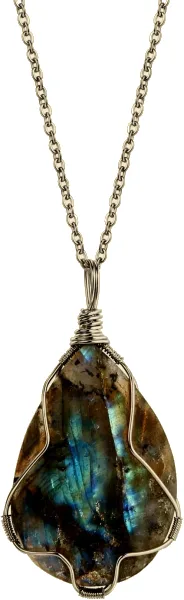
Labradorite Pendant Necklace
For carrying intuitive insight throughout the day.
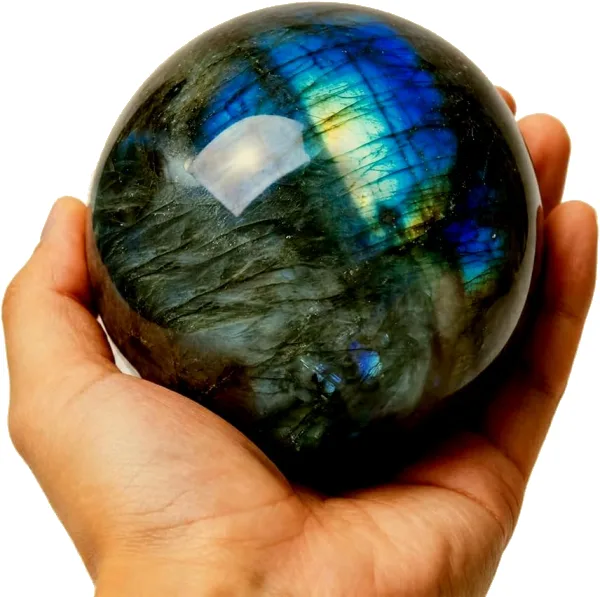
Labradorite Sphere
A polished sphere showcasing labradorite’s signature shimmer.
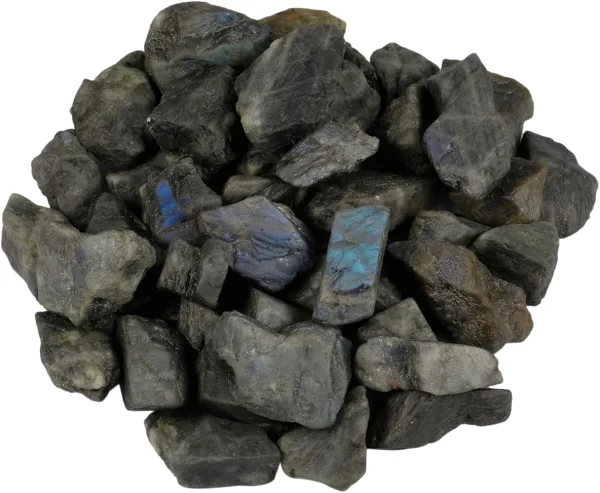
Raw Labradorite Chunk
A natural, uncut piece for those who prefer unpolished stones.
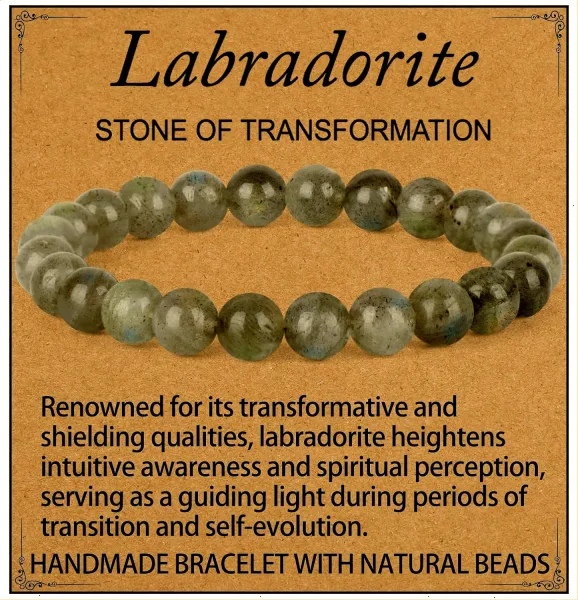
Labradorite Bracelet
A wearable piece traditionally linked to transformation and insight.