Last updated: July 20, 2026
History
Lapis lazuli has been mined in Afghanistan for over 6,000 years, making it one of the earliest gemstones traded across ancient civilizations. Egyptian royalty used it for jewelry and burial masks, including the famous mask of Tutankhamun.
Meaning
Lapis lazuli is traditionally associated with wisdom, truth, and inner vision. Many practitioners use it to support honest self-reflection and clear communication.
Geological Information
| Mineral Group | Metamorphic rock (Lazurite-based) |
| Hardness | 5 to 5.5 (Mohs Scale) |
| Crystal System | Isometric (Lazurite component) |
| Primary Sources | Afghanistan, Chile, Russia |
| Color Cause | Lazurite mineral content, often with pyrite inclusions |
Associated Chakras
Lapis lazuli is most commonly linked to the Third Eye Chakra and Throat Chakra, connecting inner insight with honest expression.
Associated Zodiac Signs
Traditionally connected to Sagittarius and Libra, both linked to truth-seeking and clear communication.
Meditation Uses
Many practitioners hold lapis lazuli at the forehead during meditation, focusing on a specific truth or insight they wish to understand more clearly.
Frequently Asked Questions
What are the gold flecks in lapis lazuli?
Those are typically pyrite inclusions, a common and valued feature of natural lapis lazuli.
See also: Turquoise vs. Lapis Lazuli →
Recommended Products
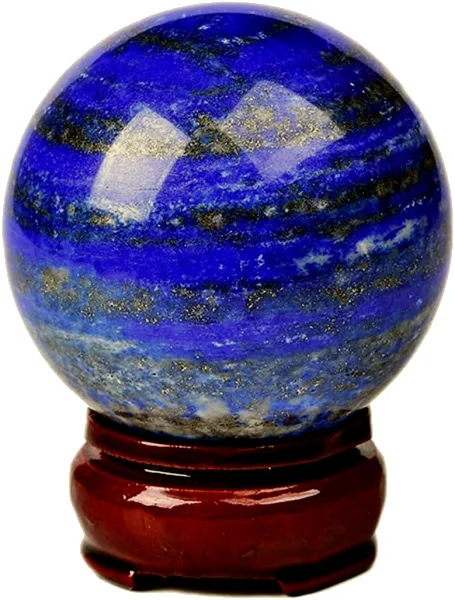
Lapis Lazuli Sphere
A polished sphere well suited to a desk or meditation altar.
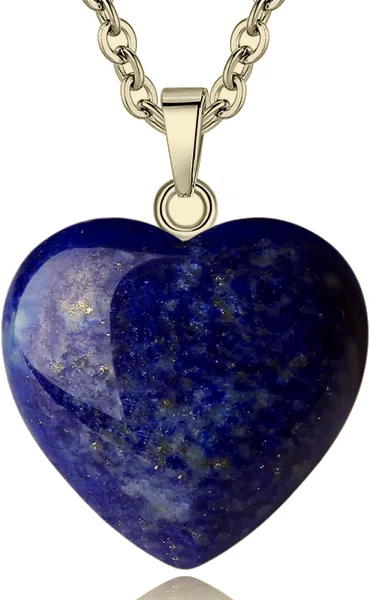
Lapis Lazuli Pendant Necklace
For carrying inner wisdom and truth throughout the day.
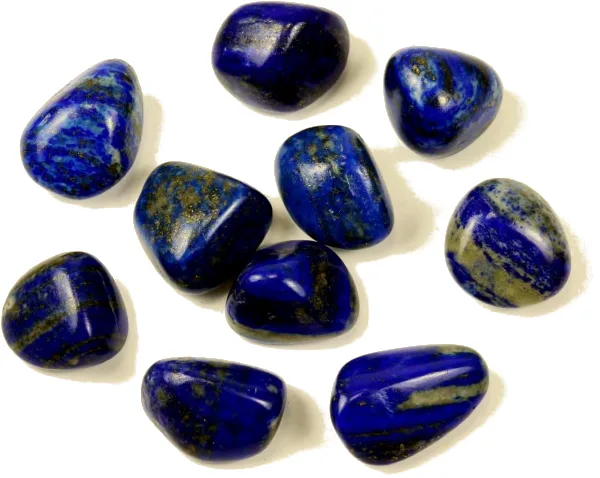
Lapis Lazuli Tumbled Stones
Pocket-sized stones with characteristic golden pyrite flecks.
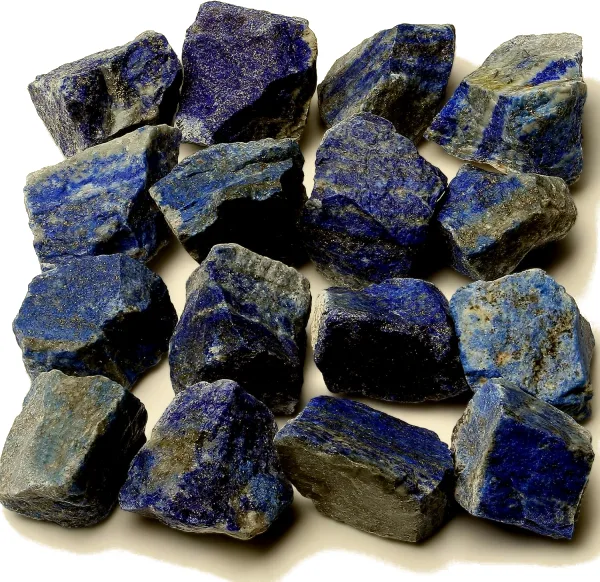
Raw Lapis Lazuli Chunk
A natural, uncut piece for those who prefer unpolished stones.
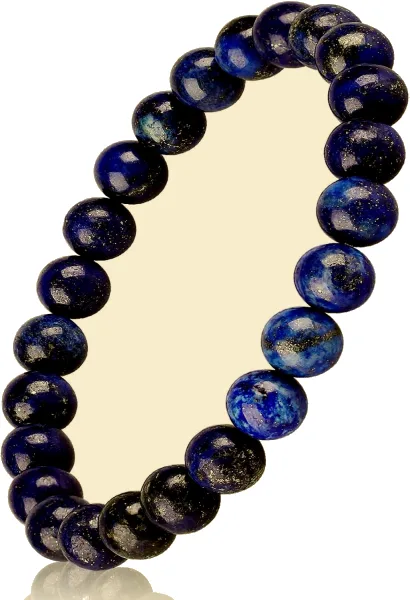
Lapis Lazuli Bracelet
A wearable piece traditionally linked to clear, honest communication.