Last updated: July 20, 2026
History
Obsidian is volcanic glass, formed when lava cools too quickly to develop a crystalline structure. Ancient civilizations, including the Aztecs and Maya, used obsidian for tools, mirrors, and ceremonial objects due to its sharp edges and reflective black surface.
Meaning
Obsidian is traditionally associated with honest self-reflection, protection, and transformation. Many practitioners use it during periods of significant change, believing it supports facing difficult truths directly.
Geological Information
| Mineral Group | Volcanic Glass |
| Hardness | 5 to 5.5 (Mohs Scale) |
| Crystal System | Amorphous |
| Primary Sources | United States, Mexico, Iceland |
| Color Cause | Iron and magnesium content |
Associated Chakras
Obsidian is most commonly linked to the Root Chakra, the seat of grounding and safety through transformation.
Associated Zodiac Signs
Traditionally connected to Scorpio, sharing obsidian’s intensity and transformative quality.
Meditation Uses
Many practitioners hold obsidian during honest self-reflection, using its dark, mirror-like surface as a symbol of facing what lies beneath the surface.
Frequently Asked Questions
Is obsidian a mineral or a rock?
Neither in the strict sense, it is volcanic glass, an amorphous material without a crystalline structure.
See also: Black Tourmaline vs. Obsidian →
Recommended Products
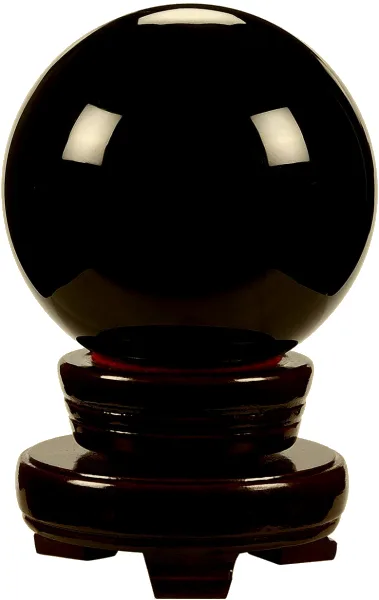
Black Obsidian Sphere
A polished sphere often used for reflective meditation practice.
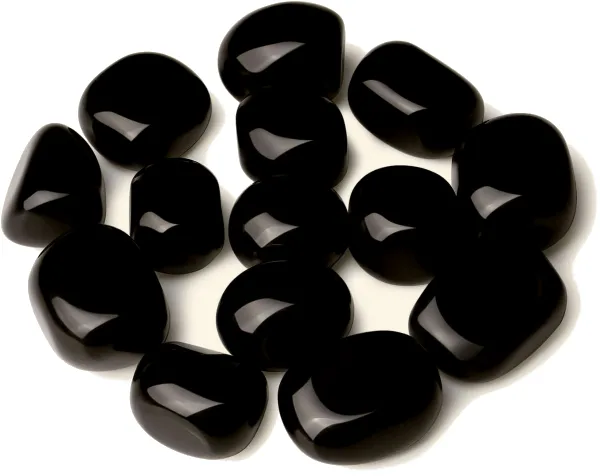
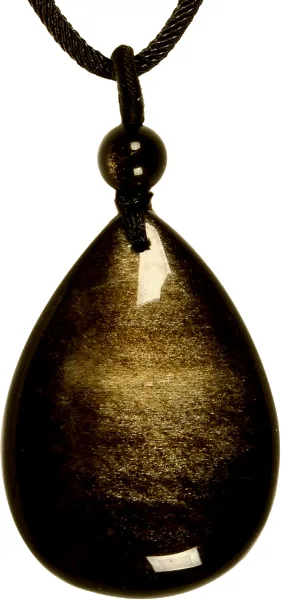
Obsidian Pendant Necklace
For carrying protective grounding throughout the day.
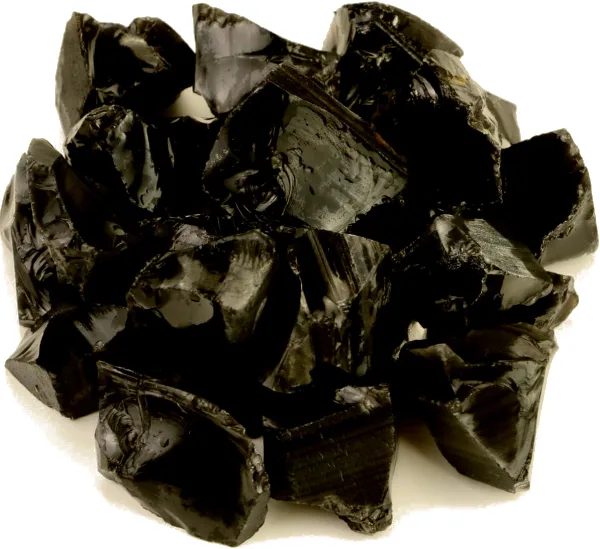
Raw Obsidian Chunk
A natural volcanic-glass piece for those who prefer unpolished stones.
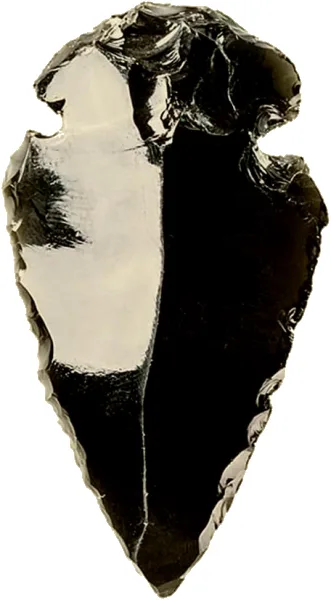
Obsidian Arrowhead (Decorative)
A traditional-style piece reflecting obsidian’s historical use in tools.