Last updated: July 20, 2026
History
Turquoise has been mined and treasured for over 6,000 years, from ancient Egyptian jewelry to its central role in Southwestern Native American and Persian traditions. It was historically carried by travelers as protection on long journeys.
Meaning
Turquoise is traditionally associated with protection during travel, communication, and wholeness. Many practitioners carry it on journeys or keep it nearby during significant transitions.
Geological Information
| Mineral Group | Copper Aluminum Phosphate |
| Hardness | 5 to 6 (Mohs Scale) |
| Crystal System | Triclinic |
| Primary Sources | Iran, United States, Egypt |
| Color Cause | Copper and iron content |
Associated Chakras
Turquoise is most commonly linked to the Throat Chakra, the seat of communication and honest expression.
Associated Zodiac Signs
Traditionally connected to Sagittarius, sharing turquoise’s association with travel and exploration.
Meditation Uses
Many practitioners carry turquoise while traveling or hold it at the throat before an important conversation.
Frequently Asked Questions
Why does turquoise sometimes change color?
Turquoise is porous and can shift color with exposure to oils, light, or chemicals over time. This is a natural characteristic of the stone.
See also: Turquoise vs. Lapis Lazuli →
Recommended Products
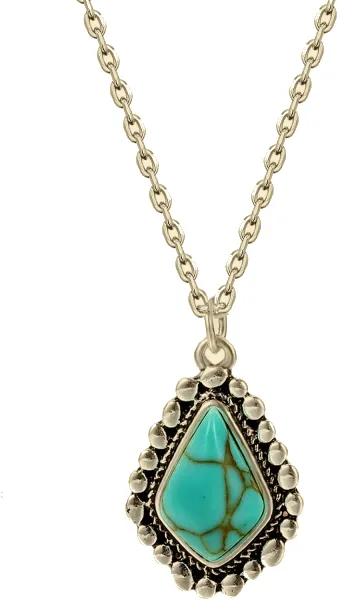
Turquoise Pendant
A traditional travel companion stone, worn close to the throat.
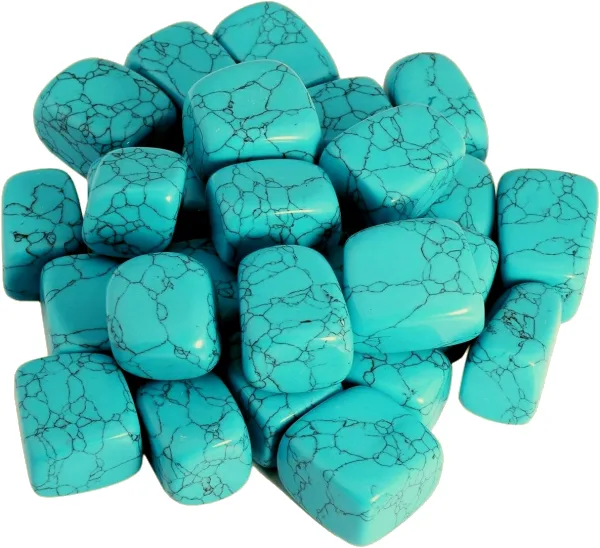
Turquoise Tumbled Stones
Pocket-sized stones traditionally carried for protection on journeys.
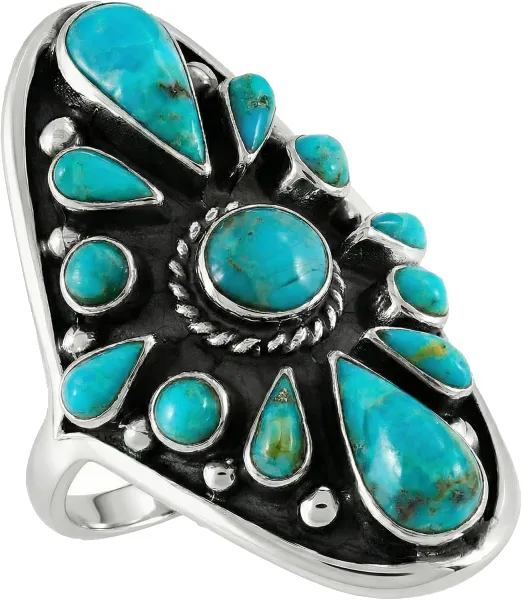
Turquoise Ring
A wearable piece with deep roots in Southwestern and Persian tradition.
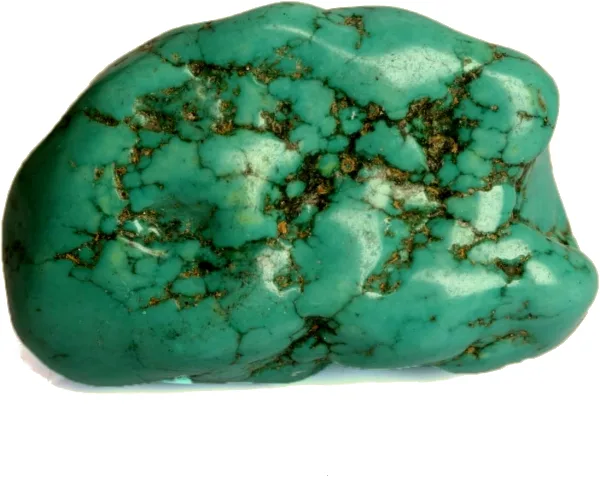
Raw Turquoise Chunk
A natural, uncut piece for those who prefer unpolished stones.
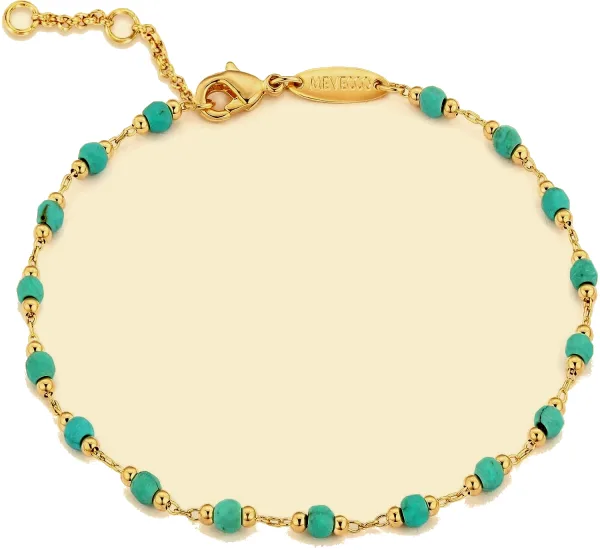
Turquoise Bracelet
A wearable piece traditionally linked to protection and communication.