Last updated: July 20, 2026
Before You Begin
Learning to read tarot is traditionally approached as a gradual practice, not something mastered in a single sitting. Most practitioners recommend starting with a single card a day before attempting full spreads.
1. Set an Intention or Question
Many practitioners begin a reading by naming a specific question or area of focus — open-ended questions tend to generate more useful reflection than yes/no questions.
2. Shuffle and Draw
Shuffle the deck while holding your question in mind, then draw the number of cards your chosen spread calls for.
3. Simple Spreads for Beginners
- One-Card Draw — a single card for daily reflection.
- Three-Card Spread — commonly read as past, present, and future, or situation, action, and outcome.
- Celtic Cross — a ten-card spread traditionally used for deeper, more complex questions.
4. Interpreting the Cards
Each card carries traditional associations, but many practitioners emphasize reading the card in context of the question and surrounding cards, rather than relying on a fixed meaning alone.
5. Keep a Journal
Recording your draws and interpretations over time is a common practice for building familiarity with a deck.
Frequently Asked Questions
Does the card orientation, upright vs reversed, matter?
Many practitioners do read reversed cards, often as a shift or block on the upright meaning, but reading every card upright is also a common practice.
Recommended Products
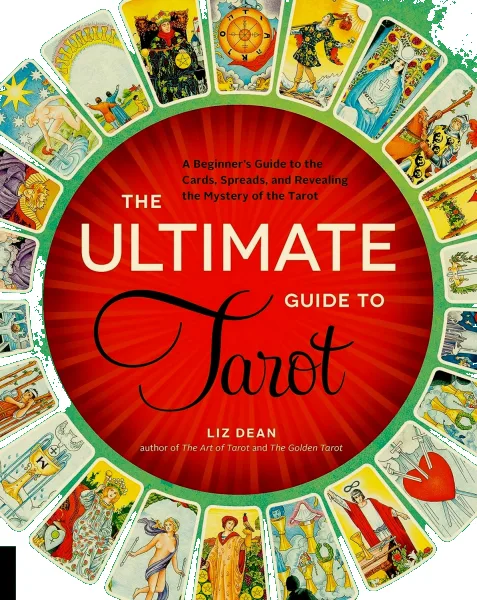
Tarot Guidebook for Beginners
A companion reference for learning traditional card meanings and spreads.
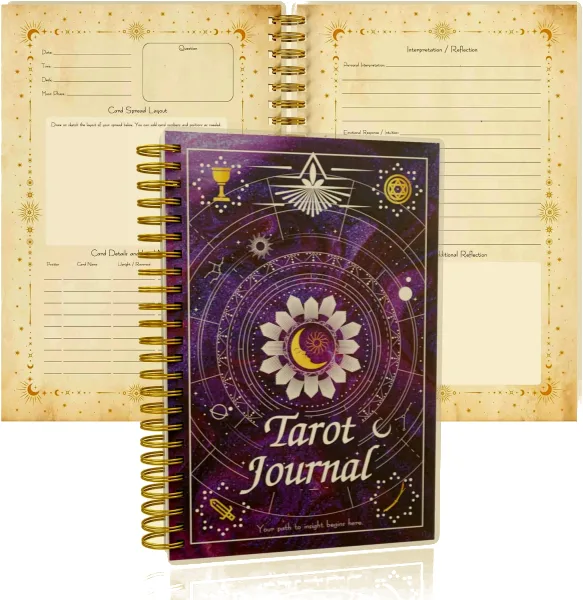
Tarot Reading Journal
A dedicated notebook for recording draws, spreads, and personal interpretations over time.