Last updated: July 20, 2026
History
Tiger eye forms through a process called pseudomorphism, where quartz gradually replaces fibrous crocidolite, preserving its silky, banded structure. It has been used in jewelry and amulets for centuries, particularly valued for its warm, chatoyant sheen.
Meaning
Tiger eye is traditionally associated with courage, grounded confidence, and clear decision-making. Many practitioners carry it during moments requiring quick, decisive action.
Geological Information
| Mineral Group | Quartz (Chatoyant Silicate) |
| Hardness | 7 (Mohs Scale) |
| Crystal System | Trigonal |
| Primary Sources | South Africa, Australia, India |
| Color Cause | Iron oxide replacing crocidolite fibers |
Associated Chakras
Tiger eye is most commonly linked to the Solar Plexus Chakra, the seat of confidence and willpower.
Associated Zodiac Signs
Traditionally connected to Leo and Capricorn, both linked to steady courage and drive.
Meditation Uses
Many practitioners hold tiger eye before a decision or difficult conversation, using it as a grounding aid for clear-headed courage.
Frequently Asked Questions
What causes the shimmer in tiger eye?
The effect, called chatoyancy, comes from parallel fibrous inclusions that reflect light in a band across the stone.
See also: Tiger Eye vs. Carnelian →
Recommended Products
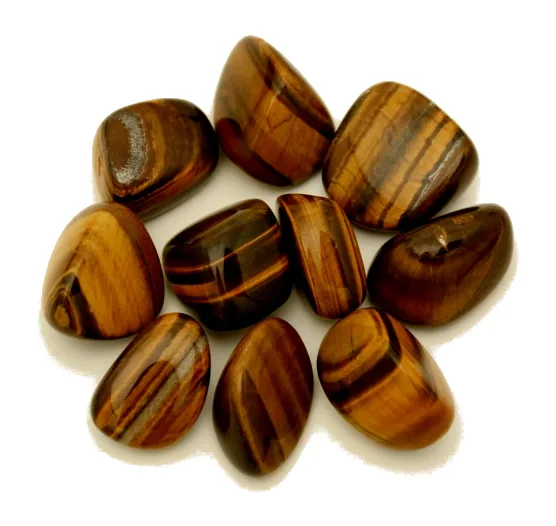
Tiger Eye Tumbled Stones
Pocket-sized stones suited for carrying into decisive moments.
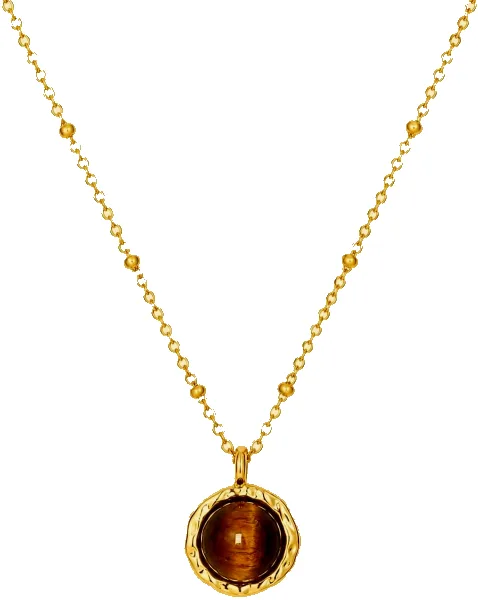
Tiger Eye Pendant Necklace
For carrying grounded courage throughout the day.

Tiger Eye Bracelet
A wearable piece traditionally linked to confidence and focus.
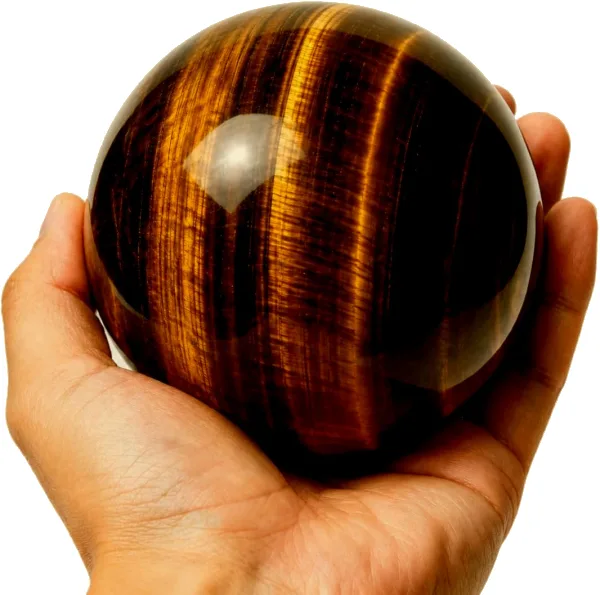
Tiger Eye Sphere
A polished sphere showcasing the stone’s signature chatoyant shimmer.
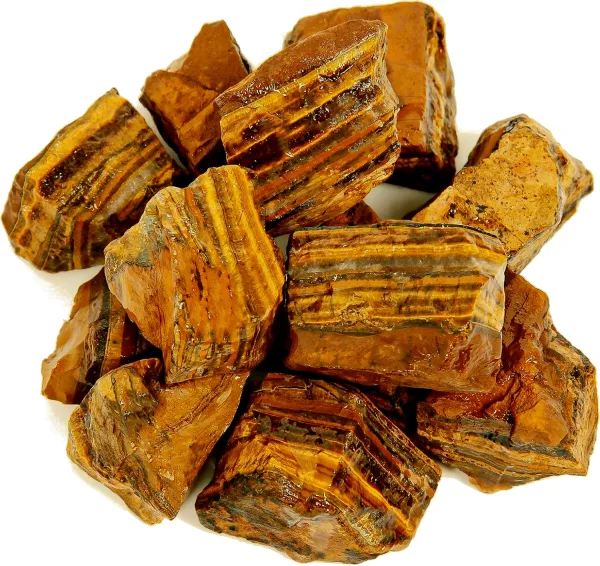
Raw Tiger Eye Chunk
A natural, unpolished piece for those who prefer raw stones.