Last updated: July 20, 2026
Black Tourmaline and Obsidian are the two most commonly recommended stones for protection, and are often confused for one another. Here is how they differ.
At a Glance
| Origin | Black Tourmaline: crystalline mineral · Obsidian: volcanic glass |
| Chakra | Both: Root Chakra |
| Traditional Use | Black Tourmaline: grounding, deflecting negativity · Obsidian: absorbing and releasing negative energy |
Black Tourmaline: The Deflector
Black Tourmaline is traditionally understood to work like a shield, deflecting negative energy away before it takes hold. Many practitioners keep it near an entryway or workspace as a constant, passive layer of protection. See our full Black Tourmaline guide.
Obsidian: The Absorber
Obsidian is traditionally understood to work differently u2014 absorbing negativity and bringing it to the surface to be released, rather than simply blocking it. For this reason, some practitioners consider it a more intense stone, suited to deeper shadow work. See our full Obsidian guide.
Which Should You Choose?
For everyday, passive protection u2014 commuting, a busy workplace, a shared home u2014 many practitioners start with Black Tourmaline. For more intentional inner work, such as processing a difficult emotion or breaking a pattern, Obsidian is more commonly recommended. Some practitioners keep both.
Frequently Asked Questions
Can I carry both stones together?
Yes, many practitioners carry both, using Black Tourmaline for daily protection and Obsidian for deeper, occasional work.
Which is better for a new home?
Black Tourmaline is more commonly recommended for a new space, often placed near the front door as a passive layer of protection.
Recommended Products
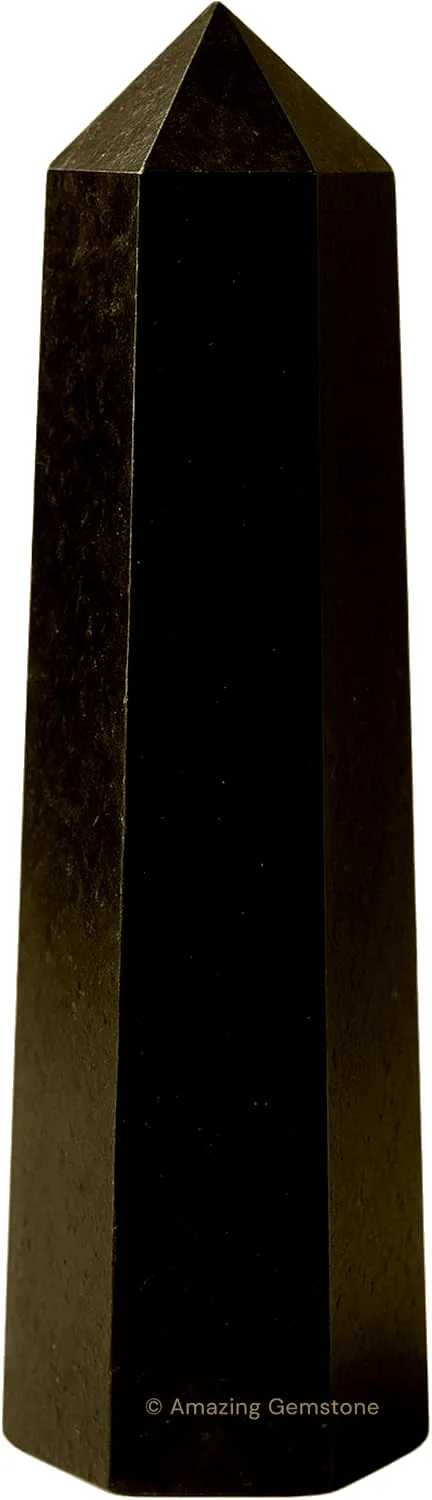
Black Tourmaline Point
A pointed piece, easy to place near an entryway or desk.
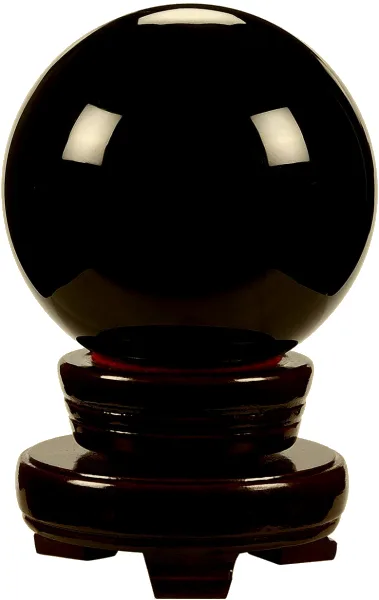
Black Obsidian Sphere
A polished sphere, well suited as a meditation focus piece.